Nature Hills logoNature HillsHorticulture
Back to home
Service

Smart Irrigation for Living Walls & Rooftops

Sensor-led watering for living walls, roof gardens and planters

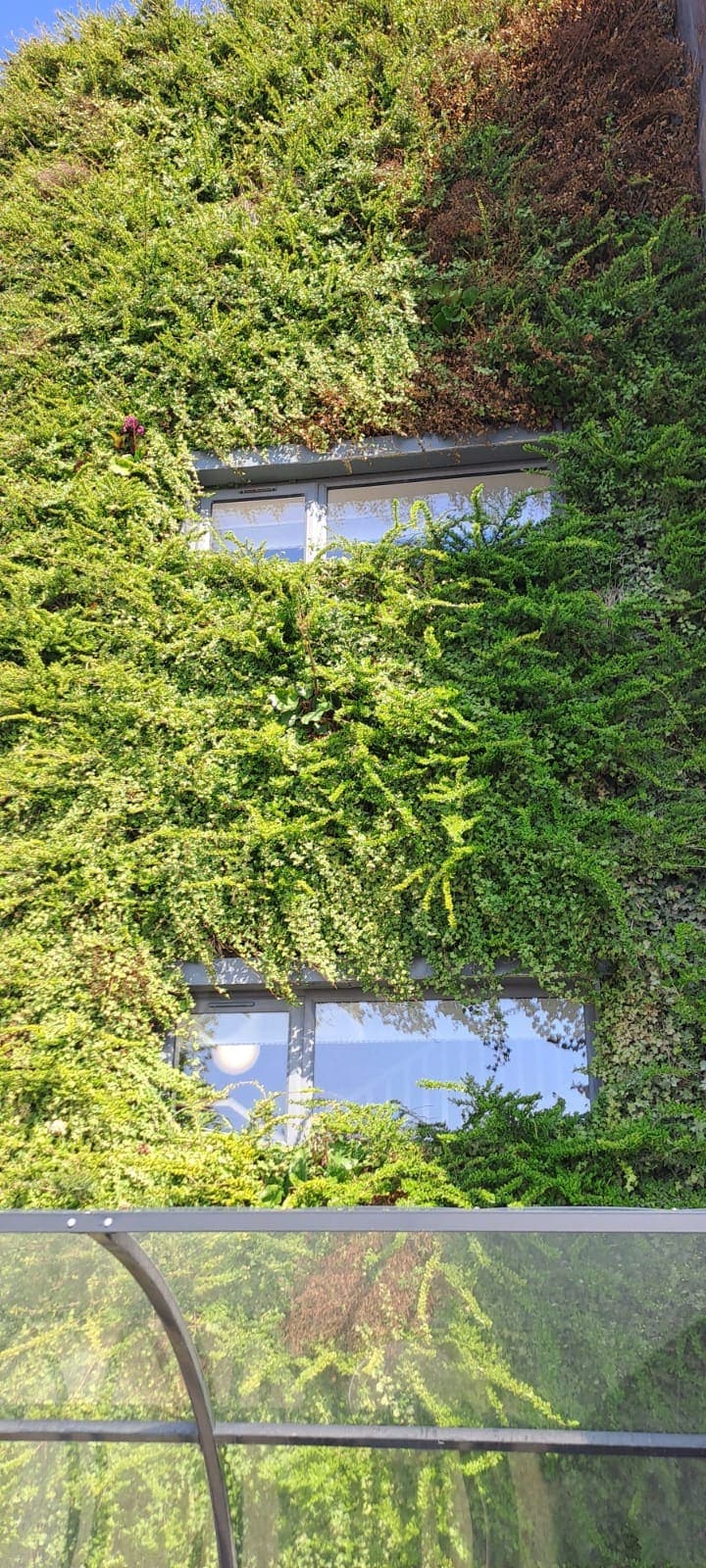
Dense trailing planting on a living wall around building windows
Chapter 01

How smart irrigation works on living walls and roofs

Nature Hills installs and maintains smart irrigation systems for living walls, rooftop gardens, planters, and landscaping schemes. We are based in Gravesend, Kent and work UK-wide. A smart system replaces fixed timers with sensors and a controller that water plants according to actual conditions rather than a rigid clock. Moisture sensors read what the growing medium needs, and the controller adjusts delivery so plants receive the right amount of water at the right time. The result is healthier planting, far less wasted water, and protection against the two most common failures in vertical and rooftop greenery: drying out at the top of a wall and waterlogging at the base. Because every wall and roof garden behaves differently, we design the system around the specific layout, exposure, and planting rather than fitting a standard kit.

Chapter 02

Remote monitoring and intelligent sensors

Our systems are built around remote monitoring so a fault is caught before it damages the planting. Sensors track moisture continuously and report through a controller that you and our team can check at any time. The system sends instant alerts when it detects a problem, such as a blocked line, a pump failure, a leak, or a zone that is not receiving water. Issues are then addressed in hours, rather than discovered weeks later when plants have already suffered. This data also lets us fine-tune watering by zone, giving thirstier species more and drought-tolerant planting less. It also provides a clear record of water use, which is useful for buildings working toward sustainability or water-efficiency targets.

Chapter 03

Proactive irrigation maintenance

An irrigation system only protects your planting if it keeps working, so we maintain the systems we install and will service systems put in by others. Routine maintenance covers cleaning and checking filters and emitters, testing each zone for even coverage, inspecting pumps and valves, checking sensor calibration, and updating the watering schedule as the seasons change and the planting matures. Catching a worn valve or a partially blocked dripline early prevents the kind of failure that kills a section of a living wall or a rooftop bed. For exterior systems we also prepare them for winter to guard against frost damage. The aim is simple: keep the water reaching the plants reliably and avoid the cost of replacing planting that failed because of a fault no one noticed.

Chapter 04

Where can smart irrigation be installed?

We fit smart irrigation wherever consistent, controlled watering matters. On living walls, even coverage from top to bottom is critical, and our systems are designed to deliver it across the full height of the wall. On rooftop gardens and terraces, where drainage and wind exposure make hand watering unreliable, automated zoned irrigation keeps planting healthy with minimal intervention. We also serve planters, courtyard gardens, and broader landscaping schemes. In each case we combine the irrigation design with the planting plan, so the system suits the species and the site. We can also build it into a living wall or rooftop project we are already delivering, so everything works together from day one.

Gallery

Smart Irrigation for Living Walls & Rooftops photos

Dense trailing planting on a living wall around building windows
Service

Smart Irrigation for Living Walls & Rooftops

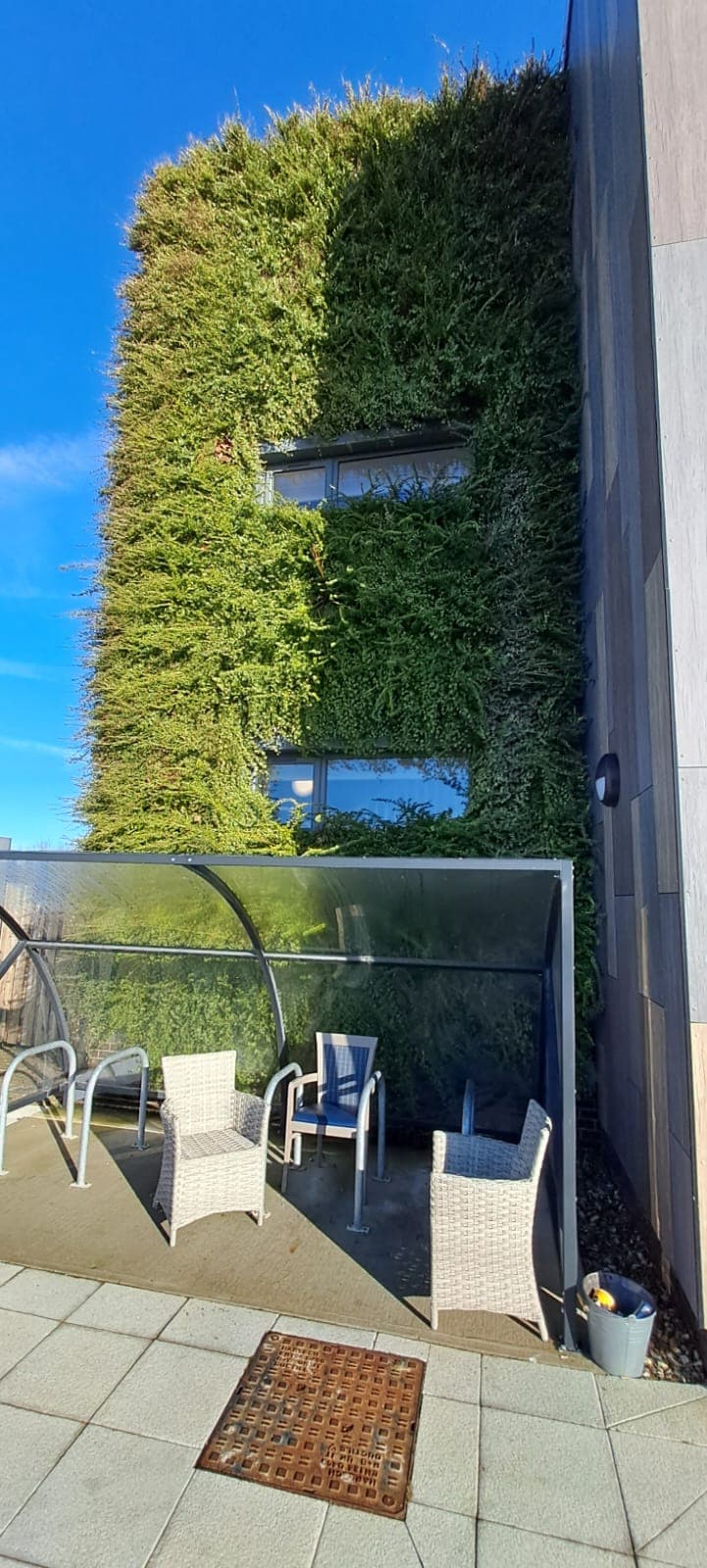
Multi-storey green wall above a paved courtyard with garden furniture
Service

Smart Irrigation for Living Walls & Rooftops

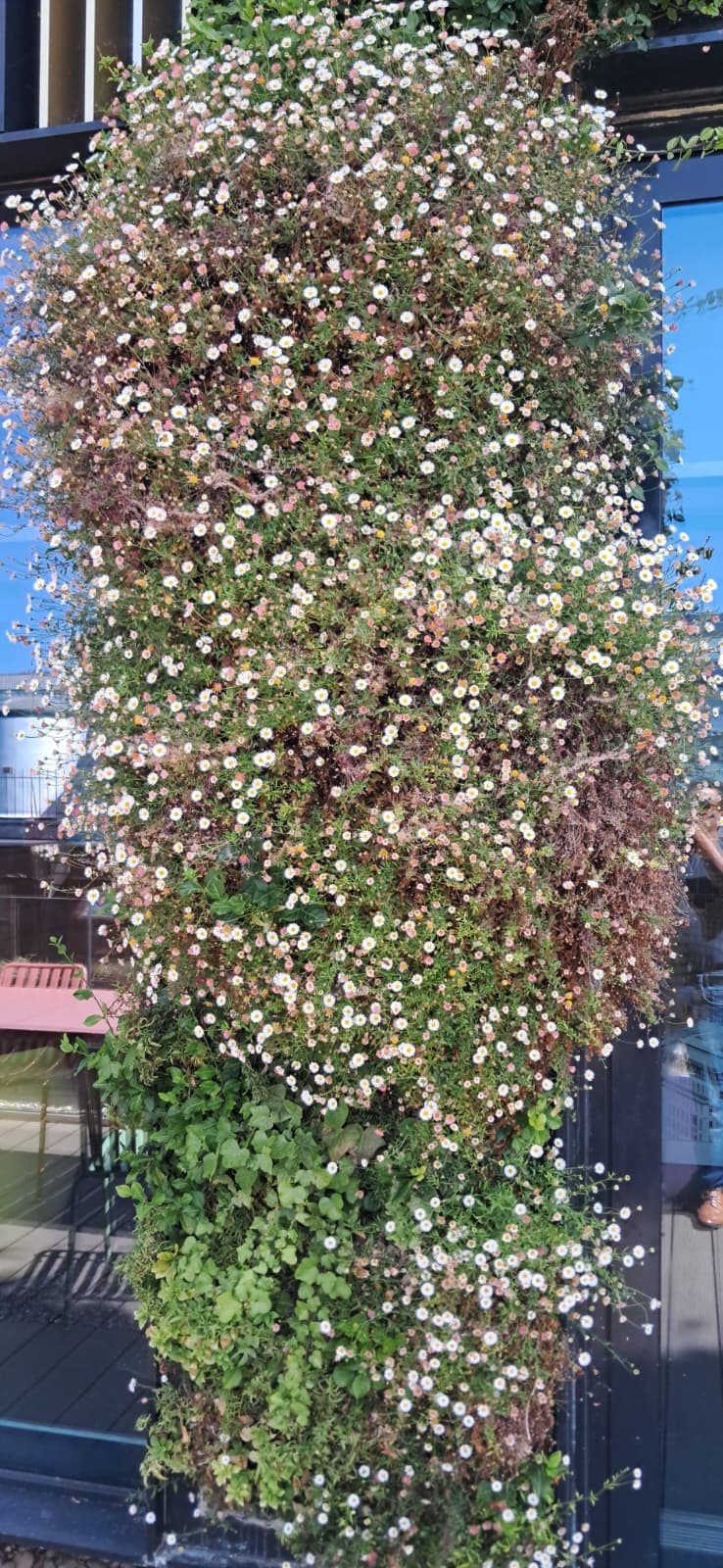
Column of white and pink flowering plants on an irrigated living wall
Service

Smart Irrigation for Living Walls & Rooftops

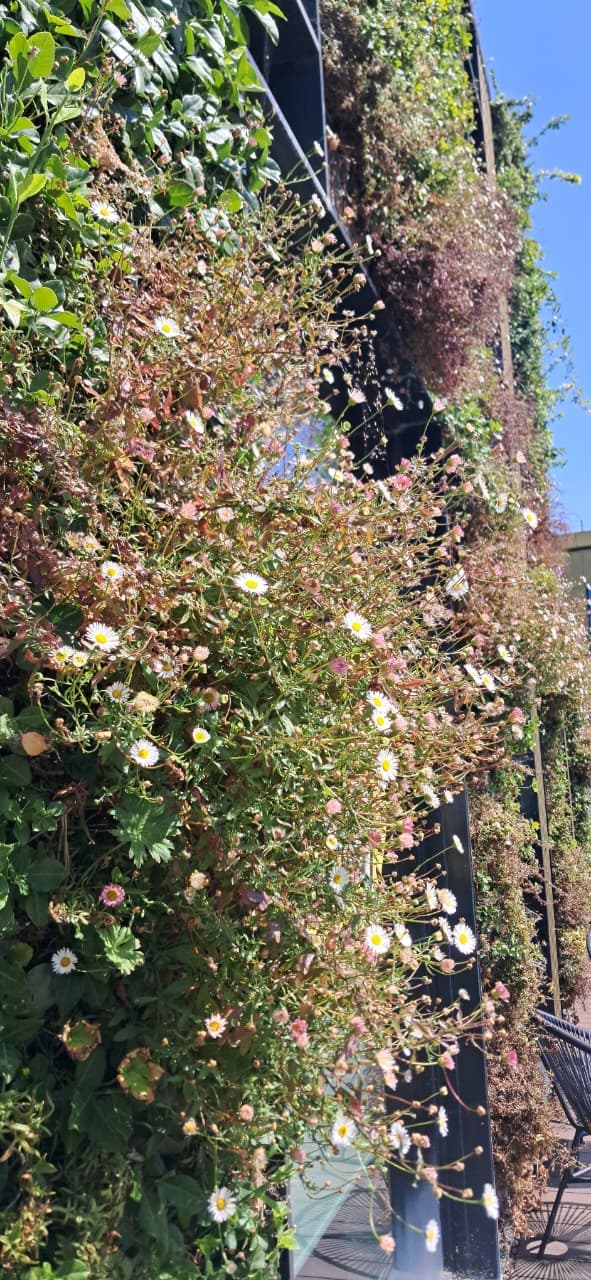
Close-up of flowering plants thriving on an irrigated living wall
Service

Smart Irrigation for Living Walls & Rooftops

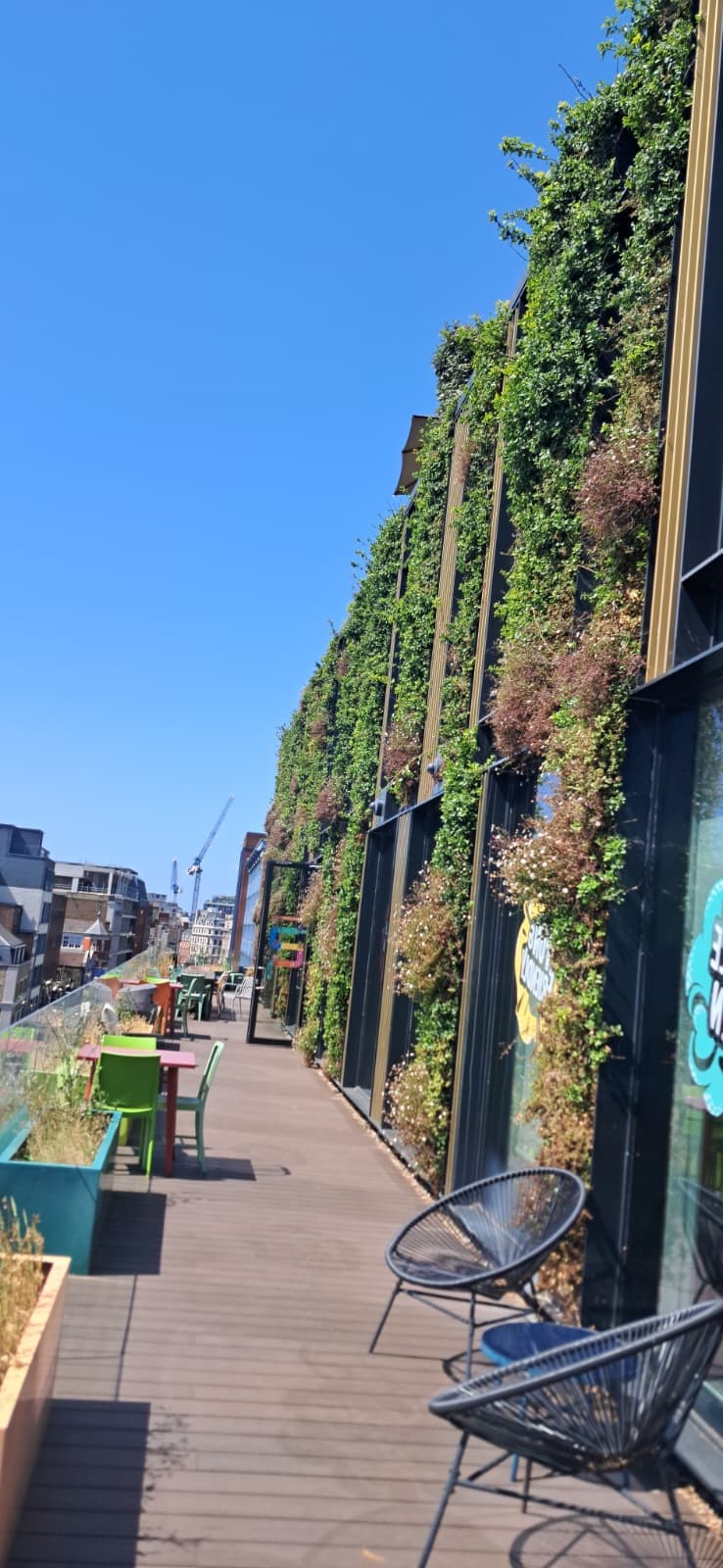
Rooftop terrace walkway lined with irrigated living wall planting
Service

Smart Irrigation for Living Walls & Rooftops

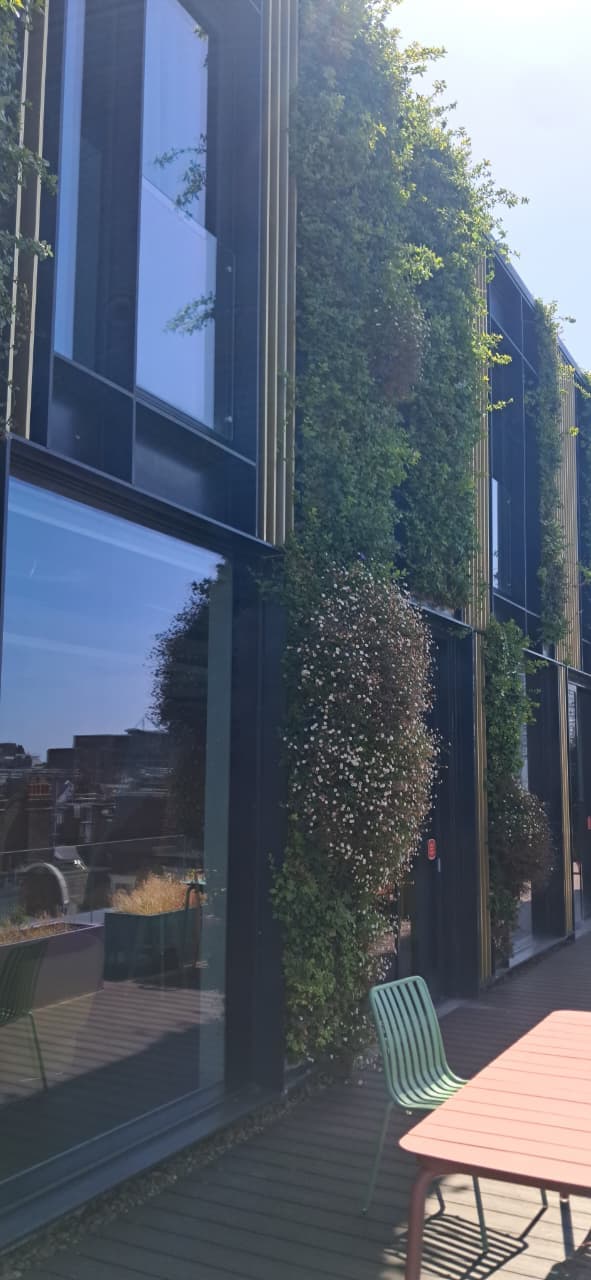
Living wall and hanging planting beside glazing on a terrace
Service

Smart Irrigation for Living Walls & Rooftops

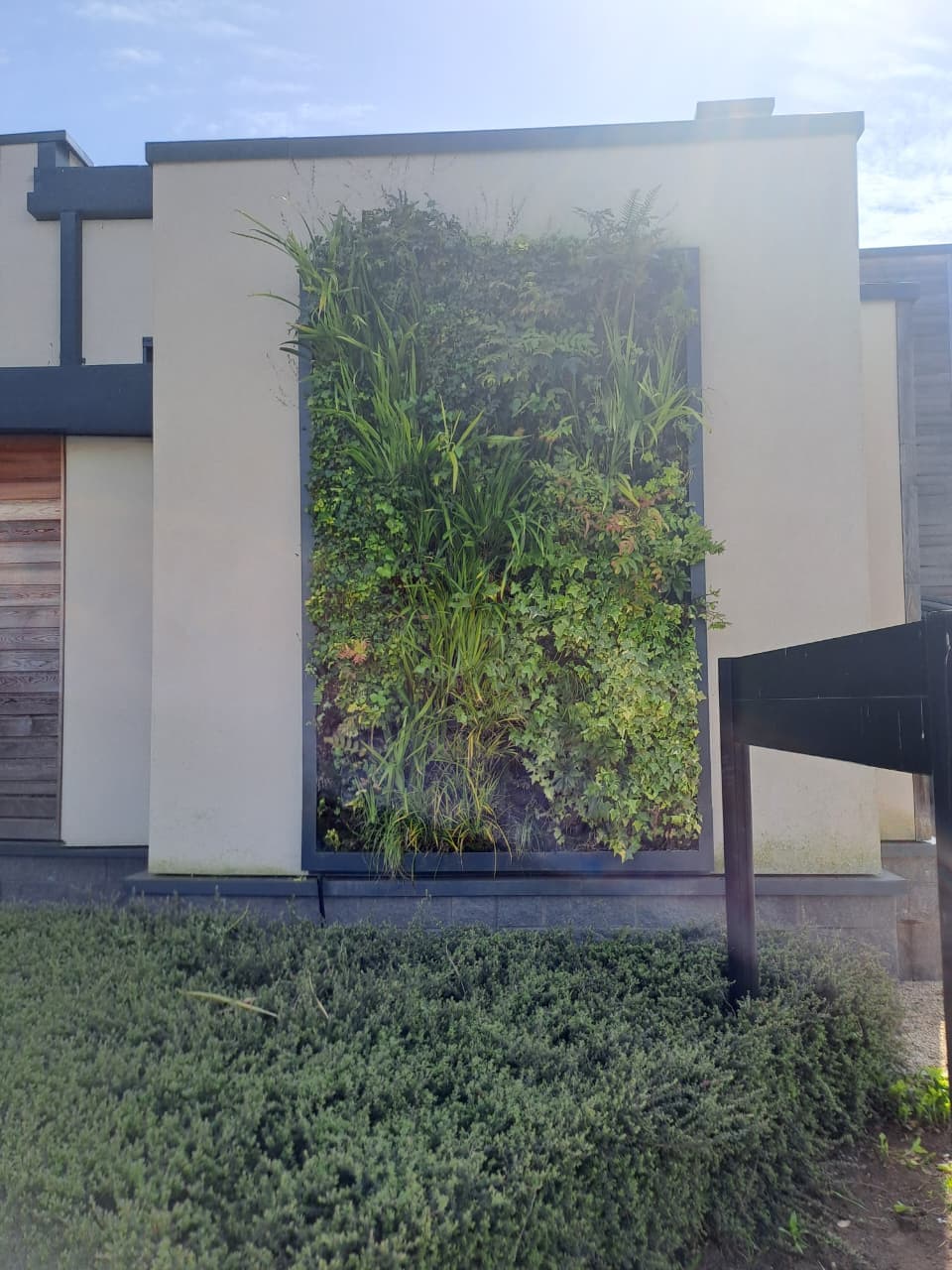
Rectangular living wall panel on a rendered building wall above a planted bed
Service

Smart Irrigation for Living Walls & Rooftops

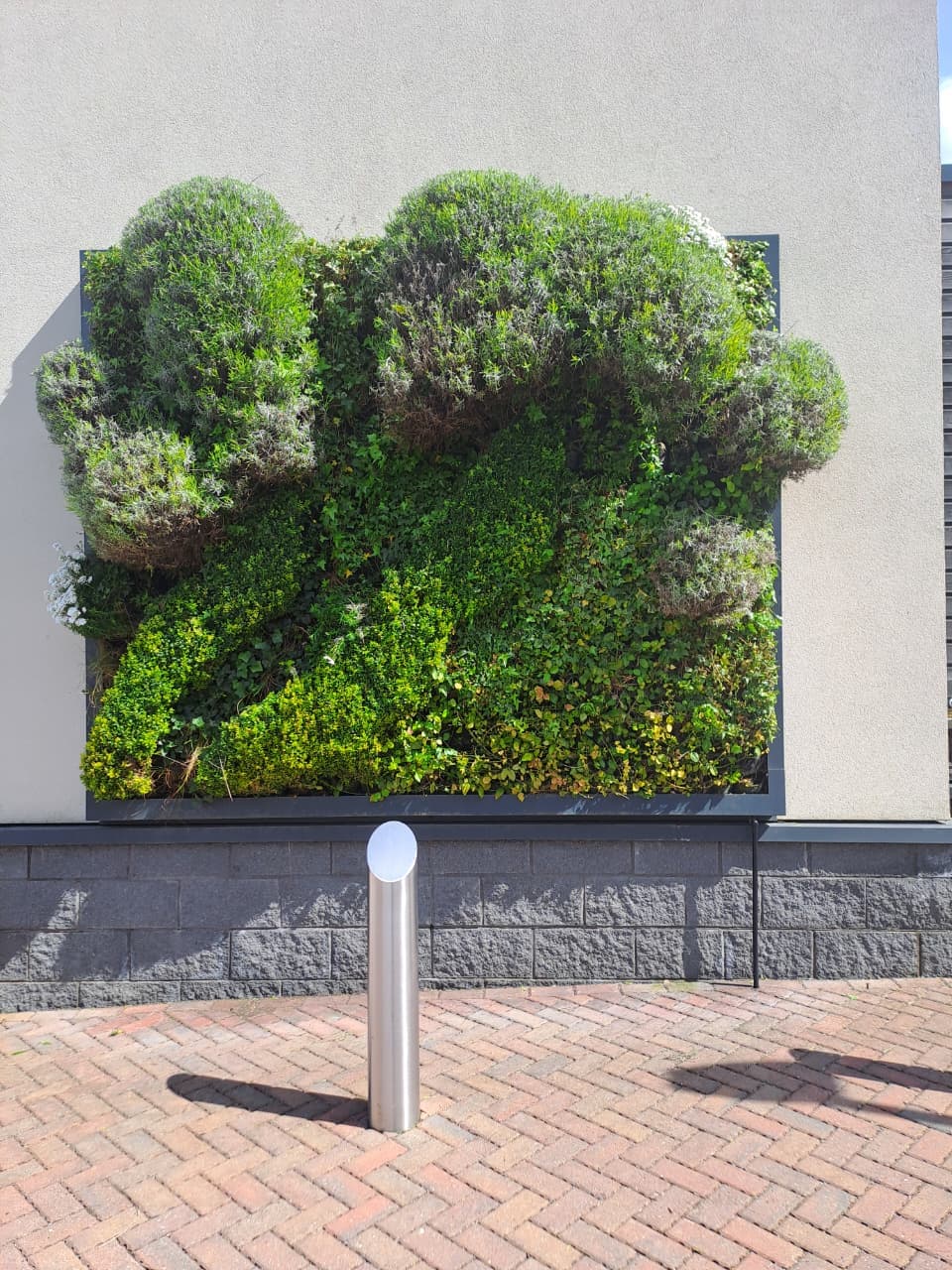
Exterior living wall with rounded shrubs on a white wall above brick paving
Service

Smart Irrigation for Living Walls & Rooftops

FAQ

Smart Irrigation for Living Walls & Rooftops: frequently asked questions

Do smart irrigation systems work for rooftop gardens?
Yes. Rooftop gardens are one of the most common applications. Wind exposure and fast drainage make hand watering unreliable on a roof, so a zoned automated system keeps planting healthy with little intervention. We design the layout around the roof's exposure, drainage, and planting so each area gets the water it needs.
How much water can a smart irrigation system save?
Because watering is driven by moisture sensors rather than a fixed timer, plants only receive water when they need it, which removes the routine overwatering common with timer systems. Savings vary by site. Sensor control, zoning, and leak alerts together reduce wasted water compared with a fixed timer, while also improving plant health.
What happens if the system develops a fault?
The system monitors itself continuously and sends an instant alert when it detects a problem such as a blockage, leak, pump failure, or a zone receiving no water. That means a fault is addressed in hours rather than discovered weeks later, which protects the planting from the damage a hidden failure would otherwise cause.
Can you connect smart irrigation to an existing living wall?
Yes. We can retrofit smart irrigation to an existing living wall or rooftop scheme, whether we installed it or another company did. We assess the current setup, design the sensor and zone layout to suit the planting, and integrate the controller so watering matches what each part of the wall needs.
Do the systems need much maintenance themselves?
They need periodic servicing to stay reliable: cleaning filters and emitters, testing zones for even coverage, checking pumps, valves, and sensor calibration, and updating the schedule for the season. We provide a maintenance plan, and for exterior systems we include winter preparation to protect against frost.
Can I monitor the system myself?
Yes. The remote monitoring is accessible to you as well as our team, so you can check moisture levels and system status and receive the same alerts. Many clients prefer to leave day-to-day monitoring to us under a maintenance plan while keeping visibility of how their planting is being watered.
Contact

WE'D LOVE TO HEAR FROM YOU.

Start a conversation